Cost Of Wooden Doors In Chennai
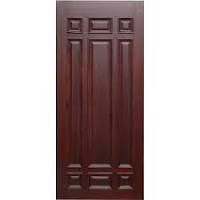
Protect your exterior wood doors with varnish. Varnish enhances the look of wood doors by accentuating the natural grain and color of the raw material. This beauty comes with a price on exterior wood doors. Varnish degrades quickly when exposed to even indirect sunlight. Exterior grade varnish or spar varnish is formulated with chemicals to provide some protection from ultraviolet light. These are commonly available at most home improvement stores. Marine-grade varnishes, available through specialty dealers provide more UV protection at a significantly higher price. Using the proper application technique provides the most protection for your door with either one. Sand the door in the direction of the grain. When applying varnish over raw wood, use 220-grit sandpaper. For refinishing, start with 80-grit sandpaper to remove old, flaking varnish. Progressively work through to 100- and then 220-grit until the door's surface is smooth. Remove the sanding residue with a tack cloth. Turn and fold the cloth frequently.

Keep a tacky surface exposed to remove the most debris. Thin the varnish with mineral spirits. On raw wood, apply a sealing-coat mixture of 50 percent mineral spirits and 50 percent varnish. On previously finished wood and subsequent coats, thin the varnish only enough to allow brush marks to flow out. Usually no more than 10 percent mineral spirits. Stir the mixture slowly until thinned. Bubbles formed when using a power mixer or paint shaker are difficult to remove once the varnish is applied. Apply the varnish with a brush. Start at one corner of the door, work across the surface of the door from the wet area out to the dry areas. Brush with the grain of the wood. Allow the varnish to dry for at least 24 hours. Lightly sand the door with 600-grit sandpaper to remove any dust or small surface irregularities and clean with a tack cloth. Repeat steps 4 through 6 until you have at least four coats on an unfinished door or two coats on a previously finished door. Things You Will Need Sandpaper Sanding block Tack cloth Mineral spirits Varnish High-quality natural bristle brush Tip Warning Photo Credits Creatas/Creatas/Getty Images Suggest a Correction

Your windows are drafty, look worn out, and are just plain cranky to operate. So you’re thinking it’s time for new windows, especially since the energy savings will help offset their steep cost.That’s one of the biggest mistakes homeowners make: Believing that the cost of new windows is worth it because of energy savings.New windows aren’t the best cure for reducing your energy bills. Simpler and significantly cheaper projects, such as sealing all your home’s air leaks, will have much more impact.Related: Take Back Your Energy BillsBut if energy savings isn’t the only reason you’re considering new windows, our repair-or-replace guide below will help you decide which way to go.Oh, and another tip: If your home has lots of vintage features, new windows may actually reduce the price you could get when it’s time to sell.See below for a repair or replace guide for your windows:Symptoms: Rotten frames, sashes and/or muntins (dividers) that allow water and air leaks into your house.
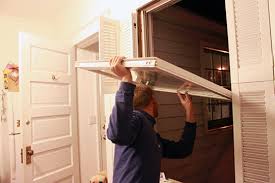
Cause: Wood deteriorates when it’s primed or painted incorrectly, seasoned insufficiently, or exposed to wet and humid weather consistently. Sprinklers that blast windows regularly also can cause rot.Cost to repair: Depends on how much rot you’ve got.
Toy Poodle Puppy Breeders UkYou can patch small areas with epoxy ($25). A handyman service can replace a rotten sill for $90-$250 (plus materials). Rotten frames require removing the window and rebuilding, which will cost as much as most window replacements ($300-$700).Repair if the damage is spotty. Replace if the frames are thoroughly rotten. Although, make sure you take a good look; they often look worse than they are.Image: Steelewall Symptoms: Cracks, scratches, or chips.Cause: Johnny’s home run, storm damage, abrasive cleaners.Cost to repair: Replacement glass, $3-$14/sq. ft.; hiring a handyman to install glass, $100-$300;
replacing sash (the frame that holds the glass), $40-$250 (vinyl).Replace inexpensive vinyl windows. Repair vintage, aluminum-clad, and multi-pane custom windows that could cost upwards of $500 each to replace.Image: Rachel from Rachel's Nest blog Symptoms: Foggy condensation or streaks between double or triple panes. Also known as “blown” windows.Cause: Heat induced contractions and expansions eventually destroy seals, promoting condensation between panes and/or exposing low-emissivity coatings and insulating gas to air (oxidizing).Cost to repair: Once a seal is broken, it’s hard to save the pane. New gizmos promise to de-fog the glass with solutions and valves, but online reviews seem unhappy with the results. The most practical and permanent fix is to replace the pane or the entire sash.Installing a new sash ($40-$250) is a quick and easy repair that preserves the frame and renews the life of the window.Symptoms: Windows won’t open or operate smoothly.Cause: Sashes painted shut, dirt and grit accumulate in track and balances, hardware breaks.

Cost to repair: Opening a painted-shut window usually requires breaking the paint seal with a putty knife, then scraping and sanding old paint and putty. Cleaning tracks, balances and hardware cost pennies, while a handyman can replace those parts for $50-$270.Repair or replace? Repair, unless replacement parts on old windows are impossible to find. If they are, then you should replace.Note: Windows installed prior to 1978 may be covered with toxic lead paint, so hire a professional for safety reasons.Symptoms: Air rushes in and out of gaps in sashes, frames, and dividers.Cause: Cracked and pealing caulking, old weather stripping, loose sash, rotted wood.Cost to repair: As little as $1.75 for a tube of painter’s caulk to seal gaps; weather stripping ($8/10 feet); or as much as $40-$250 to replace a sash. See above for rotted wood.Even if you replaced all the windows in your house with energy efficient windows, you’d only see an average of 7-15% savings on your energy bill. But if you seal the leaks in your windows, plus other leaks in your home, you can save 10-20% on your energy bills.