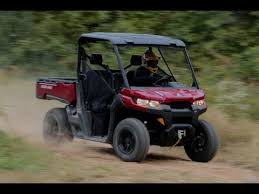
Arctic Cat 1000 Side By Side Reviews
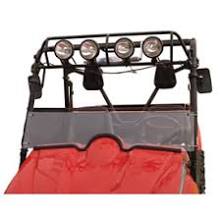
Was this review helpful? Was this review helpful?First Ride and Review! The 2015 Honda Pioneer 500 Engine475cc liquid-cooled OHV longitudinally mounted single-cylinder 4-stroke Bore-Stroke-Comp.92.0mm x 71.5mm, 9.5:1 InductionProgrammed Fuel Injection (PGM-FI), 36mm throttle body IgnitionFull-transistorized with electronic advance TransmissionElectric-shift five-speed with reverse with Auto Clutch DrivelineDirect front and rear driveshafts Suspension - FrontIndependent double-wishbone; Suspension - RearIndependent double-wishbone, pre-load adjustable, 5.9 inches travel Brakes - FrontDual hydraulic 190mm discs Brakes - Rear200mm hydraulic disc Tires - Front24 x 8-12 Tires - Rear24 x 10-12 Fuel Capacity4.1 gallons, including 1.1-gallons reserve ColorsRed, Olive, Yellow, Honda Phantom Camo®Election 2016Clinton, Trump Enter Final Stretch to White HouseThe 2016 presidential campaign seems to be Hillary Clinton’s to lose.

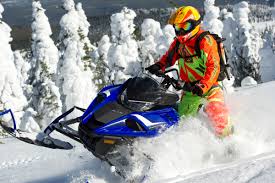
but potential wild cards loom that keep even the most optimistic Democrats on guard. Oil Prices Rally on Hopes of Cooperation Between ProducersOil prices rallied on hopes of greater cooperation between major producers but gave up some of the gains as investors questioned the likelihood of real action. Bond Investors See Yields Barely Budging This YearBond traders expect the Federal Reserve to move gradually over the long term on interest rates as developed economies struggle with growth. Car Makers Scrutinized on Self-Driving ClaimsAuto makers are facing criticism they are too quick to promote self-driving technologies, playing down the systems’ limitations and leaving customers with an inflated sense of their capabilities.The new Genesis 998 Turbo engine is the blow-your-door-off-powerful and super-high-tech masterpiece we have been waiting for from Yamaha! According to Jim Vizanko, Yamaha Engineering Manager at Yamaha’s Wisconsin research and development center, this snowmobile-specific engine project has been in the works for more than four years.
Vizanko gave us a tour of the new performance king at this year’s Snow Shoot out in West Yellowstone, Mont., where we tested these sleds for five days.“The main goal of the 998 Turbo engine was to achieve the ultimate throttle response, or zero turbo lag,” Vizanko explained.
Lowes Entry Doors With Glass“Our whole design and development plan aimed at that as the primary target.
Buy Sesame Street T ShirtObviously, we wanted to make the top power from this engine as well.
Buy Sesame Street T ShirtBut that’s what we have the turbo for.” Vizanko showed us the key technologies that the engineers used to hit their goal. The first is the triple throttle bodies.
“We use a throttle body for each cylinder on this engine, which is unique in the engine world,” he said. “We do that so that when the engine is in its naturally aspirated phase, it performs to its fullest potential. Remember, a turbo engine isn’t always at full boost. You actually spend a lot of time riding at partial throttle and that’s when you’ll really notice this is a smooth engine and it transitions seamlessly into its boost.” The second key component to the new engine’s zero turbo lag comes from the air bypass valve on the intake tract. Air pressure sensors on both sides of the throttle bodies, in conjunction with the throttle valve position sensor let the ECU know what’s going on at the intake side of the engine. What this means to riders is that when you grab a handful of throttle and then quickly let off the throttle again, there will be a buildup of pressure on the plenum side. Previous turbo engines would dump that pressure through a pop-off valve, which is what makes that specific “chirping” sound in engines like the old Suzuki 4-stroke that Arctic Cat previously used.
Now, Yamaha’s new engine takes that pressurized air and silently recirculates it into the intake line, keeping that boost pressure on tap and ready for the next time you instantly get back on the gas. This means instant boost, no lag, no funny noises.The third element of the sharp performance success is the cam timing. “Again, we were working toward throttle response, not squeezing every possible horsepower out of this engine,” explained Vizanko. “We probably spent the most time working and tweaking the cams on this engine for sharp acceleration. The turbo took care of the power.” The brass at Yamaha is very conservative by nature, and the original claim of 180hp that we were told at our Sneak Peek event back in January was undoubtedly conservative. While there have been a few sleds over the years which have been promoted as mid- and upper-170hp sleds, no factory has ever said before that they had a 180+hp production sled, as that’s a pretty bold statement. That said, after we hit the gas on the Sidewinders, the Arctic Cat Thundercat and the Cat 9000 series (all with this new engine in them) we knew immediately that this sled was pumping out more than 180 ponies.
AmSnow Editor Mark Boncher and Yamaha’s Snowmobile Product Manager Rob Powers made a friendly bet on what our independent dyno testing facility (DynoTech Research out of Batavia, N.Y.) would find once we finally had a chance to test one of these machines. Boncher guessed 192hp and Powers guessed 193. Both were off by double digits! The top number was 204.1hp at 8850 rpm! In full disclosure, again, this was a pre-production model with 800+ miles of testing. That means it was fully through its break-in paces. AmSnow also had many chances to wring out this new generation of super performance 4-strokers from Yamaha and Arctic Cat back in late February. We consistently saw 116mph for a top speed on our frozen lake test area. Both brands, several different riders and still 116 … and it seemed like there was power to keep going if gearing/clutching were different! Our veteran drag racer, Butch Veltum, got off his first pass and (with some colorful language) let us all know that this new engine was severely under-reported at 180hp.